Fitment
Record rim diameter and width, PCD, offset, center bore and available clearance. Include vehicle platform, axle position and mounting hardware so the interface can be reviewed as a whole.
Engineering services
A structured specification makes geometry, loads and the intended vehicle application visible to every reviewer.
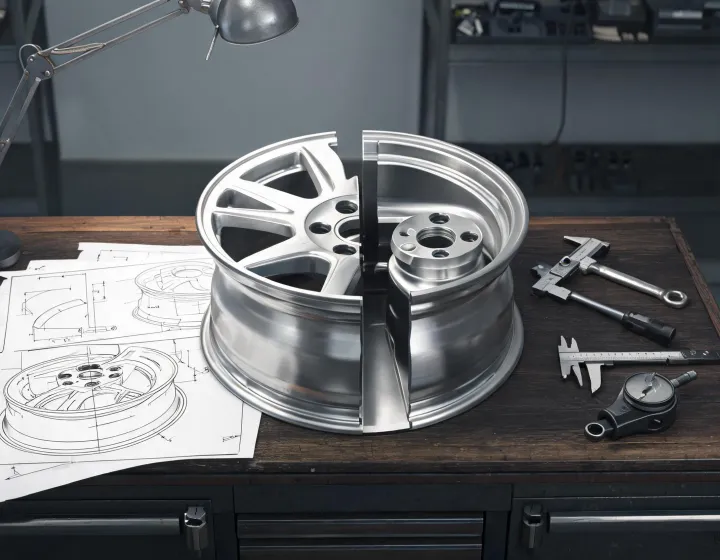
Record rim diameter and width, PCD, offset, center bore and available clearance. Include vehicle platform, axle position and mounting hardware so the interface can be reviewed as a whole.
Define the load rating, operating environment and relevant duty cycle. A wheel that fits geometrically still needs an assessment against the loads and use conditions.
Set sample quantities, test methods and acceptance criteria before testing. Radial and lateral runout checks belong alongside the agreed mechanical test scope.
Keep drawing revisions, material records and inspection results linked to the reviewed configuration. Changes should return to the appropriate approval point.
Dimensional inspection addresses mounting features, rim profile and clearance. Measurement conditions and tolerances should be recorded with the drawing to make results comparable.
Rig or road evaluations can address agreed loads and operating conditions. The applicable method, sample and market determine what a result demonstrates.
Begin with diameter, width, bolt pattern, offset and center bore; provide hub and brake clearance details when available.
That depends on wheel type and destination market. Request the relevant evidence instead of assuming that a system certificate is product approval.
Share your drawing, platform and duty profile to frame a useful technical discussion.